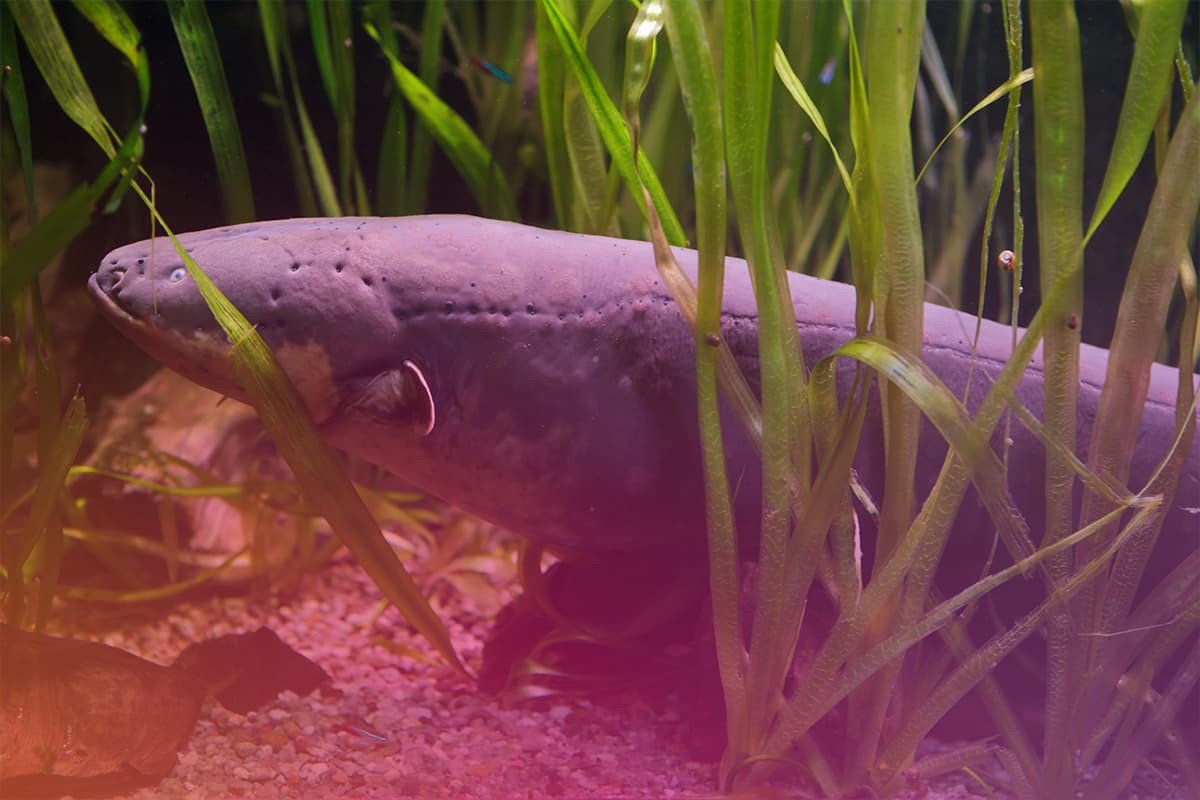
Imagine a creature that not only lives underwater but can also unleash hundreds of volts of electricity at will. The electric eel is one of nature's most astonishing engineers, a living bio-battery capable of generating a powerful electric current for hunting, defense, and even navigation. Though often called an "eel," this fascinating animal is actually a knifefish, more closely related to carp and catfish than to true eels. Its unique ability to produce such immense power comes from a highly specialized biological system, akin to a sophisticated, stacked battery pack.
This incredible feat of bio-electricity isn't magic; it's the result of millions of years of evolution, perfecting a cellular mechanism to harness ionic potential into palpable power. Understanding how these aquatic powerhouses function offers not only a glimpse into the wonders of the natural world but also inspires advancements in fields like bio-engineering and robotics.
The Shocking Truth: Unveiling the Eel's Biological Powerhouse
The secret to the electric eel's power lies in its extraordinary anatomy. A staggering 80% of its elongated body is dedicated to specialized electric organs, leaving only the front 20% for its vital organs. This immense biological real estate is specifically engineered for electricity generation. These aren't just one-off organs; the eel actually possesses three distinct electric organs. There's a main organ responsible for the most powerful, high-voltage shocks used in hunting large prey or warding off predators. Additionally, two other organs generate weaker pulses, serving different, equally crucial functions. To truly grasp the complexity of this creature, you'll want to Explore eel anatomy and electric organs in detail, discovering how these specialized structures contribute to its electrifying capabilities.
The Micro-Mechanics of Macro-Power: How Electrocytes Create a Current
At the heart of the eel's electric organs are millions of specialized cells called electrocytes. These aren't just any cells; they are modified muscle cells, uniquely adapted to generate a small electrical potential. Each electrocyte, through precise control of sodium and potassium ions flowing across its membrane, can produce a modest charge of approximately 0.1 to 0.15 volts.
However, the genius of the electric eel isn't in a single cell's power, but in their arrangement. Thousands of these electrocytes are stacked in columns, much like batteries connected in series. This 'series' connection allows the individual voltages to add up, cumulatively generating hundreds of volts – sometimes as much as 860 volts! A typical shock from an electric eel is a brief, intense burst, lasting only about two milliseconds but capable of releasing up to 0.5 kilowatts of electric power. To dive deeper into these fascinating cellular powerhouses, you can Learn about electrocyte functions. Explore electrogenic processes that make this possible.
Orchestrating the Charge: Neural Control and Precision Discharge
What makes the electric eel truly remarkable is its ability to precisely control these powerful discharges. It's not just a binary "on or off" switch. The eel can modulate its electric output from subtle 10-volt pulses, used for sensing its environment, to full 860-volt blasts for defense or immobilizing large prey. This precision requires an incredibly sophisticated neural control system that can activate and synchronize millions of electrocytes almost simultaneously.
The brain sends signals through nerves to rapidly depolarize one side of each electrocyte, creating a sudden voltage difference that flows outwards. This synchronized action, coordinated with astonishing speed, is what allows the eel to unleash its powerful shocks exactly when and how it needs them. Understanding this intricate coordination is key to appreciating the eel's mastery over its own internal power grid. For a comprehensive look into how these biological circuits are managed, delve into Neural Control and Synchronization of its electrical output.
More Than Just a Zap: The Eel's Electric Lifestyle
The electric eel's ability to generate electricity is deeply intertwined with its entire lifestyle, shaping how it navigates, hunts, and survives in its murky South American freshwater habitats.
Navigating the Murky Depths with Electroreception
Beyond powerful shocks, electric eels constantly emit weak electric pulses. These low-voltage signals create an electric field around their bodies, allowing them to sense distortions caused by nearby objects or other living creatures. This electroreception acts much like echolocation, providing a detailed map of their surroundings, enabling them to navigate dark waters and pinpoint hidden prey with incredible accuracy.
Survival Strategies: Breathing Air and Self-Protection
Despite being aquatic, electric eels face a unique challenge: their energy-intensive electric organs demand so much oxygen that their gills cannot extract enough from the water alone. Consequently, they must surface every ten minutes or so to gulp air, supplementing their oxygen intake. Furthermore, how does an animal generating such powerful shocks protect itself from its own electrical output? The answer lies in a thick layer of fatty tissue that acts as excellent insulation, directing the current outwards and away from its own body. Crucially, their vital organs and nervous system are strategically located in the anterior 20% of their body, away from the bulk of the electric tissue, further ensuring their safety. To fully appreciate the daily life and survival tactics of these creatures, explore Behavioral Ecology: Predation, Defense, and communication.
A Deep Dive into Deep Time: The Evolutionary Journey of Electric Eels
The development of such a complex bio-electric system is not an overnight phenomenon; it's the product of millions of years of evolutionary pressure and adaptation. Electric eels are a testament to the incredible diversity and ingenuity found in the natural world. Their unique lineage as knifefish, diverging from other fish species, allowed for the gradual refinement of these specialized electric organs and the neural control systems that govern them. Studying their evolutionary path not only helps us understand how such an extreme adaptation came to be but also sheds light on broader principles of evolution and biodiversity. To learn more about their remarkable lineage and the development of their electric capabilities over geological timescales, be sure to Explore electric eel history and diversity.
From their cellular batteries to their ecological role, electric eels continue to captivate scientists and nature enthusiasts alike. Their existence challenges our understanding of biological limits and inspires innovation. As we continue to uncover the intricate mechanisms behind their shocking abilities, we gain not just knowledge, but also a deeper appreciation for the extraordinary power of life on Earth.